

Making difficult decisions often brings pain, anxiety, and a sense of being stuck. Whether questioning if they should quit a job or regretting past choices, many face uncertainty about the future. This emotional weight can freeze decision making, making even small choices feel overwhelming.
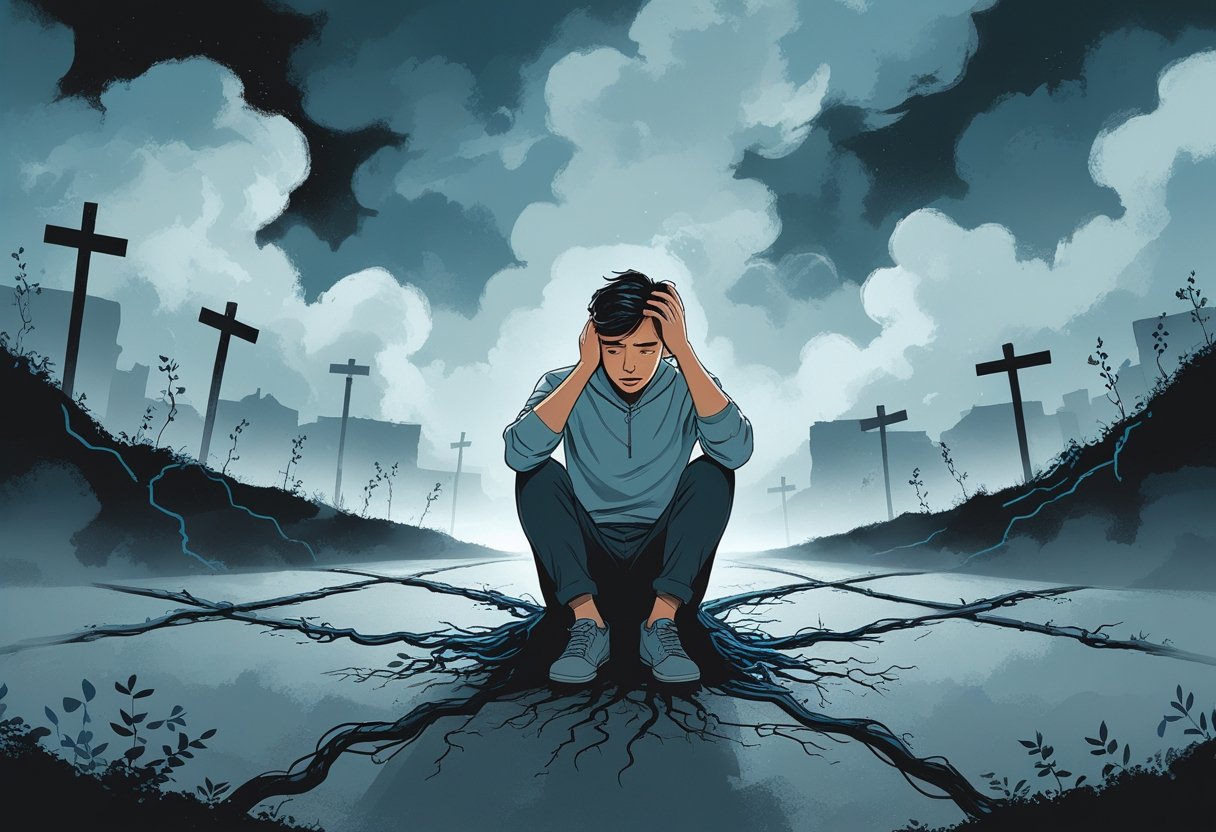
The key to navigating these challenges is recognizing that feeling stuck and anxious is normal, and learning clear strategies can help move forward with confidence. Understanding the impact of anxiety on decision making allows people to approach problems more rationally and avoid paralysis by analysis.
By breaking down decisions into manageable steps and addressing underlying fears, individuals gain clarity and reduce regret. This approach helps transform anxiety into thoughtful action instead of ongoing stress.
Understanding Problem Pain
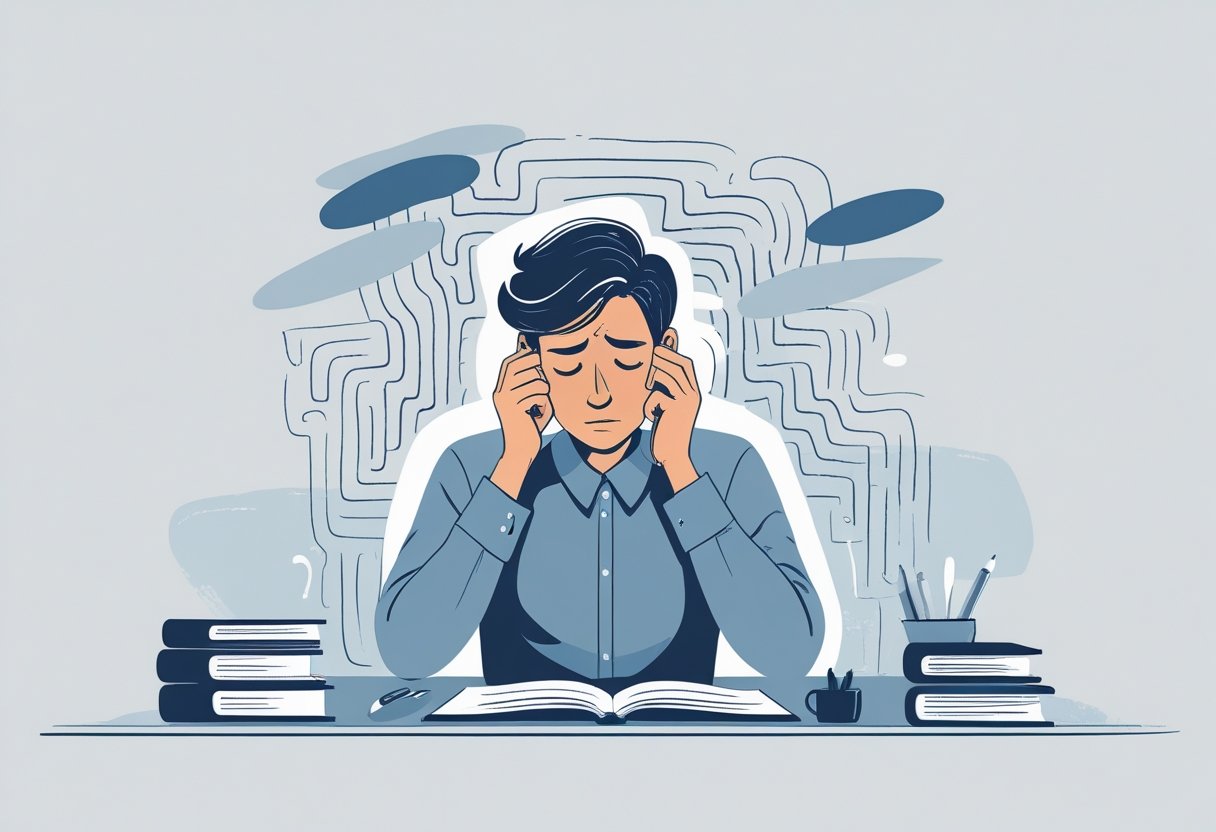
Problem pain arises from ongoing challenges that cause mental or emotional distress. It often involves feelings of being stuck, anxious, or overwhelmed by situations that seem difficult to resolve. Recognizing how problem pain manifests and affects behavior is crucial to addressing it effectively.
Defining Problem Pain in Life
Problem pain refers to the discomfort that comes from unresolved issues or difficult situations. Unlike physical pain, it primarily affects mental and emotional wellbeing. It can stem from decisions that carry uncertainty or regret, creating a persistent sense of discomfort.
This type of pain often involves stress, anxiety, or confusion related to complex life challenges. It signals that something in life requires attention or change but may feel too difficult to confront directly. Problem pain can immobilize decision making and reduce confidence in taking action.
Common Triggers of Problem Pain
Several situations commonly trigger problem pain, including job dissatisfaction, uncertainty about the future, and fear of making the wrong decision. Key triggers include:
- Major life transitions like considering quitting a job
- Persistent doubts about personal choices
- Anxiety about future outcomes
- Feelings of regret related to past decisions
These triggers often overlap, creating compounded stress. They can cause individuals to question their values or competence, leading to hesitation and feeling stuck.
Recognizing the Impact of Unresolved Problems
Unaddressed problem pain can have significant emotional and practical consequences. Emotionally, it may lead to anxiety, low self esteem, and chronic stress. These feelings can interfere with daily functioning and reduce overall life satisfaction.
Practically, unresolved problems can result in procrastination or avoidance behaviors, multiplying discomfort over time. Decision making becomes harder, and opportunities for growth or change may be missed. Recognizing this impact is a critical step toward seeking solutions.
Why Decision Making Feels Overwhelming

Making decisions can trigger intense mental strain and emotional distress, especially when the outcomes seem uncertain. The difficulty often arises from how the brain processes complexity, the nature of the choices involved, and the feelings connected to possible risks.
The Psychology Behind Difficult Decisions
Difficult decisions engage multiple brain regions responsible for evaluating risks, rewards, and potential losses. When a choice involves high stakes, people tend to overanalyze possible outcomes, which leads to mental exhaustion known as decision fatigue.
Indecision often stems from a natural desire to avoid regret or making the wrong choice. This fear activates cognitive loops where individuals replay scenarios, increasing stress rather than providing clarity. Mental overload reduces the brain’s ability to focus, causing individuals to feel stuck.
Types of Decisions That Cause Anxiety
Decisions involving long term impact, such as quitting a job or changing careers, typically cause the most anxiety. These choices carry a sense of permanence and uncertainty, which heightens worry about the future.
Everyday decisions, when stacked throughout the day, can also lead to feeling overwhelmed. This cumulative stress from many small decisions can cloud judgment and increase anxiety about making the “right” choice at key moments.
Emotional Responses to Uncertainty
Uncertainty often triggers fear and doubt, making decisions emotionally taxing. People may experience paralysis, where they cannot move forward due to worry about unknown outcomes.
Anxiety about the future fuels overthinking, causing individuals to second guess themselves or regret previous decisions. This emotional response can create a cycle, reinforcing feelings of being stuck and increasing overall indecision.
Anxiety About the Future and Its Effects
Anxiety about the future often centers on uncertainty, which triggers stress and fear. This state can affect decision making, relationships, and overall well being. Understanding its causes, coping strategies, and long term consequences helps manage these challenges more effectively.
How Future Uncertainty Fuels Stress
Uncertainty about upcoming events or life changes often leads to anticipatory anxiety. When people face unknown outcomes, their brain activates stress responses to prepare for perceived threats. This hyperfocus on potential negative scenarios increases worry and tension.
This anxiety can cause difficulty concentrating and decision making because the mind is preoccupied with “what if” scenarios. For example, questioning “Should I quit my job?” can become paralyzing when the future feels unpredictable. The stress is amplified if past decisions are regretted, as fear of repeating mistakes grows.
Coping Mechanisms for Future Related Worries
Mindfulness techniques can ground individuals in the present moment, reducing overthinking about possible future problems. Practices like deep breathing, meditation, and focusing on current tasks help break the cycle of worry.
Setting manageable goals and breaking large decisions into smaller steps also diminishes anxiety. Creating a plan for uncertainty, such as exploring new job options or seeking advice, provides a sense of control. Cognitive behavioral approaches encourage recognizing and challenging catastrophic thoughts.
Support networks and professional help offer additional relief. Talking through fears with trusted people helps clarify choices and lessen the isolation caused by anxiety.
Long Term Impact on Mental Health
If anticipatory anxiety persists, it may evolve into chronic stress or anxiety disorders, such as Generalized Anxiety Disorder (GAD). Continuous worry impacts sleep, mood, and energy, making daily life more difficult.
Prolonged anxiety about the future can damage relationships due to avoidance of social situations or irritability. It may also limit personal growth, causing people to avoid risks or new opportunities.
Without intervention, this anxiety risks becoming self reinforcing, trapping individuals in cycles of stress and indecision. Early recognition and management are key to preventing these outcomes.
Feeling Stuck in Life
Feeling stuck often shows up as a mix of mental fog, indecision, and dissatisfaction in key life areas. This state can affect careers, relationships, and personal growth, making it hard to move forward or choose a clear path.
Identifying Signs of Feeling Stuck
Signs include persistent indecision, lack of motivation, and feeling overwhelmed by routine tasks. People often report fatigue, anxiety about the future, and a sense of being trapped in repetitive patterns.
These symptoms can manifest as procrastination or doubting past choices. Emotional exhaustion or a continuous inner dialogue of “Should I quit my job?” or “Did I make the right decision?” often signals this stuck state. Recognizing these signs early allows for proactive steps toward change.
Role of Routine and Change Avoidance
Routine can offer stability but may also cause stagnation if it limits growth. Avoiding change creates comfort zones that prevent confronting discomfort or uncertainty.
This resistance often stems from fear of failure or regret. Clinging to familiar but unsatisfying situations, like staying in a dead end job, reinforces the stuck feeling. Breaking this cycle requires awareness of how routine may beholding someone back.
Strategies to Break Free from Stagnation
Building a support system helps by introducing new perspectives and accountability. Evaluating personal goals is crucial to regain clarity and motivation.
Practical steps include:
- Listing pros and cons for major decisions
- Seeking professional guidance when overwhelmed
- Practicing acceptance of feelings without harsh judgment
These strategies improve decision making skills, reduce anxiety about the future, and help individuals act with confidence instead of hesitation.
Should I Quit My Job? Weighing Pros and Cons
Deciding to quit a job involves assessing both tangible and emotional factors. It requires understanding career dissatisfaction, financial stability, and the potential emotional impact on wellbeing.
Evaluating Career Dissatisfaction
Feeling unfulfilled or unhappy at work is a common reason people consider quitting. Key signs include a poor relationship with supervisors, lack of growth opportunities, and daily stress that impacts mental health.
If dissatisfaction stems from a bad boss or toxic environment, it might not improve without change. However, temporary work challenges should be distinguished from long term issues.
Assessing whether dissatisfaction is linked to the job itself or external factors helps clarify if leaving is the best option or if adjustments can be made.
Financial and Personal Considerations
Financial security is critical in this decision. Quitting without another job lined up carries risks such as income loss and difficulty covering expenses.
Personal savings, job market conditions, and alternative income sources should be carefully reviewed before resigning. Planning an exit strategy that includes budgeting and job searching increases chances of a smoother transition.
Balancing personal wellbeing with financial realities prevents impulsive decisions driven primarily by frustration or anxiety about the future.
Emotional Consequences of Job Changes
Leaving a job can improve mental health but also trigger anxiety or regret. The uncertainty of a new path may cause stress related to identity and stability.
It is important to prepare for emotional ups and downs by building support networks and setting realistic expectations. Sudden departures without planning can increase feelings of being stuck or fearful about the future.
Acknowledging these emotional factors helps individuals make decisions that consider both immediate relief and long term satisfaction.
Managing Regret When Looking Back on Decisions
Regret often arises when one reflects on past decisions with a sense of dissatisfaction or doubt. Recognizing why regret occurs and extracting valuable lessons can shift the experience from a painful emotion to a tool for personal growth. Approaching regret with intention helps reduce its negative impacts and opens pathways toward resilience.
Understanding Regret and Its Roots
Regret typically stems from comparing actual outcomes with hypothetical better alternatives. It often connects to what could have been, creating a sense of loss or missed opportunity. This emotional response can trigger anxiety and feelings of being stuck.
Regret is not just about the decision itself but involves unmet expectations and the value placed on certain outcomes. Identifying the root cause; whether fear, unrealistic standards, or missed chances; helps prevent rumination.
Accepting that regret is a natural and common response can lessen its power. Managing regret requires recognizing it without allowing it to consume mental energy or paralyze decision making.
Lessons Learned from Past Choices
Reflecting on past decisions can highlight useful lessons that improve future choices. Rather than focusing on failure, identifying specific factors that influenced outcomes supports clarity.
Steps to extract lessons include:
- Pinpointing what was within control versus external variables
- Understanding decision triggers and thought patterns
- Assessing whether expectations were realistic
By reviewing these elements, one gains insight into personal priorities, decision making biases, and risk tolerance. This process builds self awareness and prepares individuals to act with more confidence and less reproach yourself in the future.
Transforming Regret into Growth
Transforming regret into growth involves making conscious efforts to learn while reducing self criticism. Key strategies include:
- Acknowledging feelings without judgment
- Practicing self compassion to counteract harsh inner dialogue
- Setting forward looking goals that reflect current values
This approach shifts focus away from what cannot be changed, toward constructive actions. Over time, this perspective encourages resilience, turning past regrets into stepping stones for improvement rather than obstacles.
Individuals can create a plan for small, manageable changes aligned with lessons learned. This proactive stance helps them regain control, reduces feelings of being stuck, and fosters a healthier mindset toward decision making.
How to Make a Difficult Decision
Making a difficult decision involves clear steps, careful evaluation of risks and benefits, and balancing logical thinking with emotional factors. Approaching the process methodically helps reduce anxiety and provides clarity.
Step by Step Frameworks for Decision Making
A structured approach helps navigate difficult choices efficiently. First, define the problem clearly and gather relevant information. Next, list possible options without judgment. Then, set specific goals or criteria that the decision must meet.
Once criteria are set, evaluate how each option aligns with these goals. Using tools like pros and cons lists or decision matrices can clarify comparisons. After analysis, choose the option that best fits the established criteria. Finally, plan actionable steps to implement the decision and set a timeline to review outcomes.
Clear frameworks reduce overwhelm and help move forward with confidence.
Assessing Risks and Benefits
Understanding the potential risks and rewards of each choice is crucial. Risks involve what might go wrong or be lost, while benefits highlight potential gains or improvement areas.
Listing these factors side by side provides perspective. Consider both short term and long term impacts. For example:
| Risks | Benefits |
|---|---|
| Financial instability | Career growth |
| Emotional stress | Increased satisfaction |
| Time investment | New opportunities |
Weighing these helps avoid narrow thinking and encourages a comprehensive view. This assessment allows prioritizing options with manageable risks and meaningful benefits aligned with one’s goals.
Balancing Logic and Emotion
Decision making is not purely logical; emotional responses also play a key role. While logic offers objectivity, emotions provide insight into personal values and motivations.
Ignoring feelings may lead to regret, while relying solely on emotion can obscure facts. A balanced approach acknowledges both. For example, if anxiety about the future complicates a job quit decision, addressing those feelings alongside financial and career factors is essential.
Techniques like journaling or mindfulness support recognizing emotions clearly. This balance fosters decisions that are both practical and personally satisfying.
Boosting Confidence in Your Decisions
Confidence in decision making grows through practice, managing fear, and leaning on others for perspective. Developing skills, addressing anxiety about errors, and creating a trustworthy support system help reduce hesitation and doubt.
Building Decision Making Skills
Regularly making choices, even small ones, sharpens decision making abilities. Reflecting on past decisions; both successful and unsuccessful; helps identify patterns and learn what works. This continuous feedback loop builds understanding and decreases uncertainty.
Breaking big decisions into manageable steps can simplify the process. Gathering relevant information and trusting instincts also improve clarity. Practicing in low pressure situations helps develop intuition, making it easier to tackle more significant dilemmas like quitting a job or changing life paths.
Overcoming Fear of Mistakes
Fear of making the wrong decision often causes indecision or regret. Accepting that mistakes are part of learning reduces anxiety about the future. Recognizing that avoiding a choice is itself a decision helps confront problems rather than delay them.
Reframing errors as opportunities for growth encourages resilience. It’s helpful to focus on what can be controlled and what can be corrected afterward rather than striving for perfect decisions. This approach lowers pressure and supports more confident, timely choices.
Establishing a Support Network
Having trusted people to consult provides valuable perspective and reassurance. A support network might include mentors, friends, family, or professional coaches who listen without judgment and offer honest feedback.
Sharing concerns around difficult decisions like quitting a job or career change lightens the emotional load. Constructive advice from others can reveal blind spots and suggest options previously unconsidered. This external input fosters both confidence and clarity.
Maintaining Mental Well Being Through Life’s Challenges
Navigating difficult decisions and feelings like anxiety or being stuck requires deliberate mental care. Managing stress effectively and knowing when to get outside help are crucial for maintaining mental health during uncertain times.
Practices for Reducing Decision Related Stress
Breaking down decisions into smaller steps helps reduce overwhelm. Listing pros and cons or using decision matrices allows clearer comparisons. This approach creates structure in complex situations, lessening anxiety.
Incorporating mindfulness techniques, such as focused breathing or short meditation, can calm the mind and improve clarity. Daily routines that include physical activity and adequate rest also strengthen mental resilience.
Seeking social support; sharing concerns with trusted friends or mentors; can offer new perspectives and emotional relief. Setting realistic expectations and accepting uncertainty as part of decision making further reduces pressure.
When to Seek Professional Guidance
Persistent anxiety or feelings of being stuck that interfere with daily functioning may indicate the need for professional support. Therapists can offer evidence based methods like cognitive behavioral therapy to improve coping skills and decision making confidence.
If the stress leads to sleep disturbances, loss of motivation, or worsening mood, early intervention is beneficial. Professionals can help identify underlying issues that contribute to distress and tailor strategies accordingly.
Engaging a counselor or mental health professional early can prevent worsening mental health and support growth through life’s uncertainties. They provide tools for managing regret, anxiety about the future, and complex emotional challenges tied to difficult decisions