

People often feel overwhelmed not just by physical tiredness but by mental strain that comes from making too many decisions. This struggle, known as decision fatigue, occurs when the brain’s ability to make clear, rational choices diminishes after repeated decision making. Decision fatigue directly impairs cognitive function, making simple choices seem exhausting and leading to poorer decisions over time.
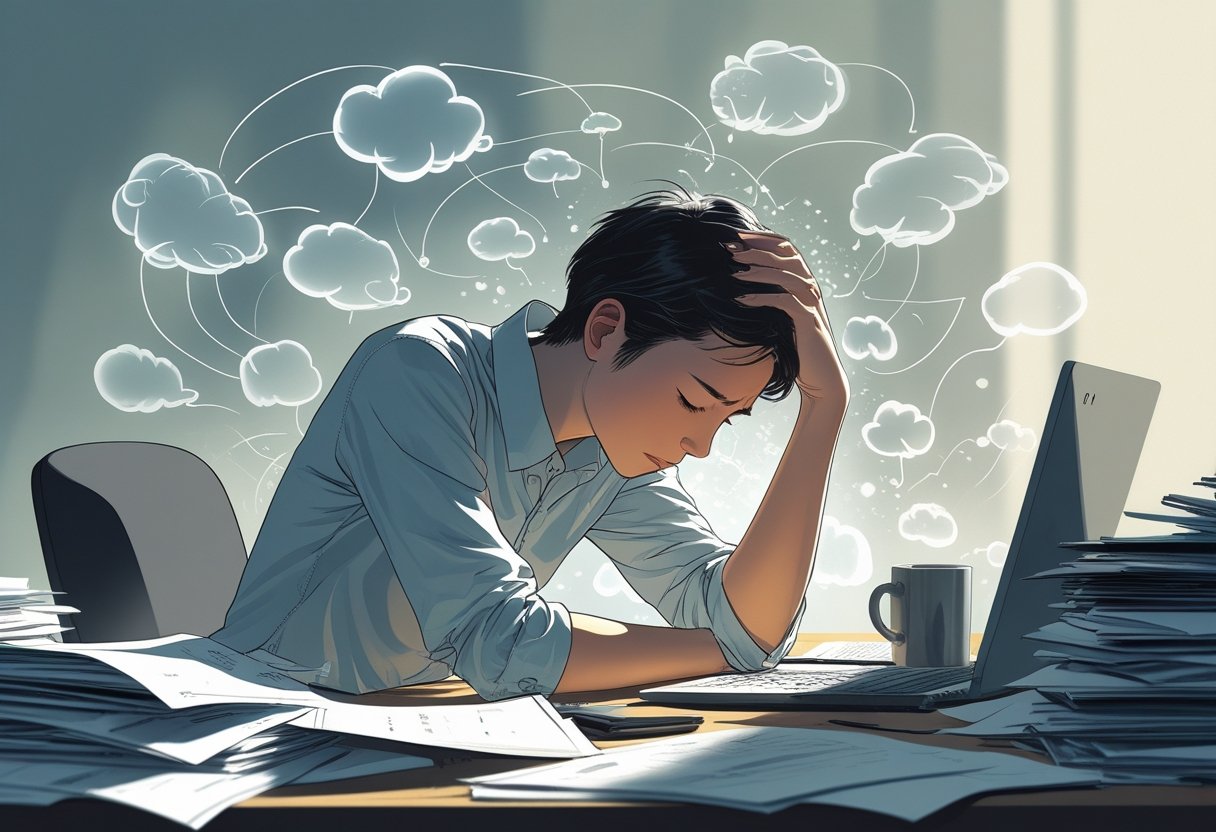
This mental exhaustion differs from general fatigue because it specifically affects self control and judgment. When decision fatigue sets in, individuals may feel stuck or frustrated, not because they lack willpower, but because their decision making resources are depleted. Recognizing this can help address why some daily struggles feel unbearable despite normal levels of physical energy.
Understanding the impact of decision fatigue is important because it helps explain common difficulties people face, from small daily choices to major life decisions. By identifying the signs and implementing strategies to manage cognitive overload, individuals can preserve mental energy and improve their overall well being.
Understanding Decision Fatigue
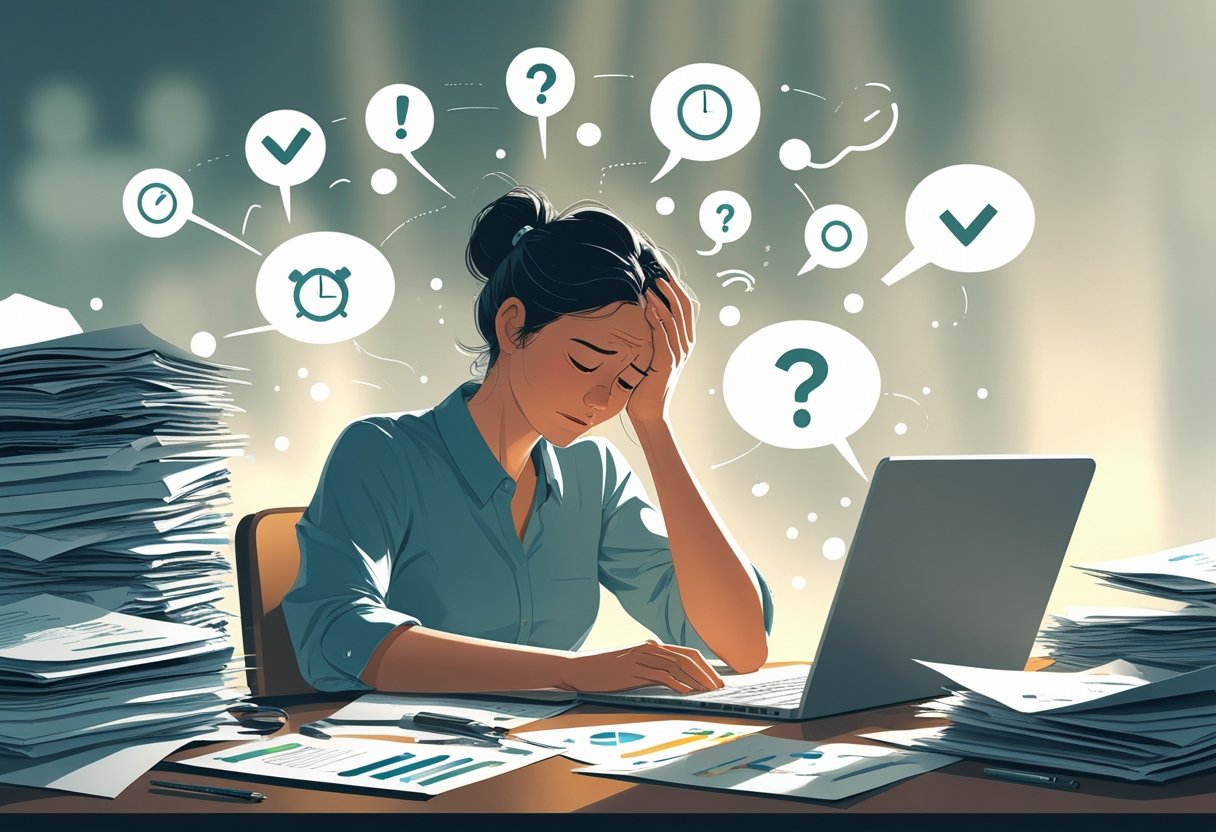
Decision fatigue results from the depletion of mental energy specifically needed for careful thinking and self control. This exhaustion influences cognitive functions such as judgment, attention, and motivation. The causes, psychological and biological roots, impact on decision making, and its appearance in daily life reveal the complexity of this condition.
Definition and Causes
Decision fatigue refers to the decline in decision quality after making multiple choices. It stems from exhausting the brain’s limited mental resources, particularly those governing deliberate and rational thought.
The main cause is the sheer volume of decisions, both minor and significant, that an individual faces daily. Each choice demands cognitive effort, which reduces available energy for subsequent decisions. When these resources run low, people tend to make poorer judgments or avoid making choices altogether.
Decision fatigue affects anyone who must manage numerous decisions continuously, including professionals in high stress environments, students, and parents. Simplifying choices or prioritizing key decisions can lessen this fatigue.
Psychological and Biological Factors
From a psychological perspective, decision fatigue impairs willpower and self control. These faculties rely on executive function, a cognitive process largely managed by the prefrontal cortex. Repeated decision making drains these brain areas, reducing mental stamina.
Biologically, the brain operates on finite energy reserves. Glucose, the primary fuel for cognitive activity, diminishes with sustained mental effort. This depletion contributes to the deteriorating quality of decisions over time.
The interplay of mental exhaustion and reduced glucose explains why people feel irritable, mentally foggy, or indecisive under decision fatigue. It is not simply tiredness but a specific cognitive depletion affecting judgment and focus.
Decision Making Processes
Decision fatigue modifies how choices are made by reducing the brain’s capacity to evaluate options deeply. Early decisions tend to be more thoughtful, but as fatigue grows, people rely more on heuristics or shortcuts, which can lead to impulsive or careless choices.
It also increases the likelihood of decision avoidance, where individuals delay or completely avoid making a decision to conserve mental energy. This can result in procrastination or passing off decisions to others, which can have practical consequences in work and life.
Systems that reduce cognitive load, such as routines, checklists, and limiting options, help protect decision quality by preserving mental resources for critical decisions.
Everyday Examples of Decision Fatigue
In daily life, decision fatigue shows up in common situations. For example, shoppers may choose less healthy foods toward the end of the day after many routine decisions. Office workers might struggle to prioritize tasks or lapse in judgment after making numerous work related choices.
Students face decision fatigue during long study sessions, impacting focus and retention. Parents managing schedules, meals, and activities can experience irritability and indecision.
Understanding these examples demonstrates how pervasive decision fatigue is. Simple strategies like taking breaks, prioritizing important decisions, or reducing choices can help maintain better cognitive performance throughout the day.
Symptoms and Signs of Fatigue

Fatigue presents through a range of symptoms that affect mental clarity, physical energy, and emotional balance. Recognizing these signs helps in addressing the underlying causes effectively.
Mental Fatigue Indicators
Mental fatigue often appears as difficulty concentrating and impaired decision making. A person may experience brain fog, making it hard to process information quickly or recall details accurately.
Tasks that previously took little effort become overwhelming, leading to procrastination or poor judgment. This state reduces mental stamina, increasing mistakes and slowing reaction time.
Decision fatigue, a common form of mental exhaustion, can cause a person to feel overwhelmed by even simple choices. They may struggle to prioritize tasks or maintain focus during routine activities.
Physical Manifestations
Physical fatigue shows as persistent tiredness and a noticeable lack of energy. The body feels weak, with reduced stamina for daily activities like walking, working, or exercising.
Muscle aches and heaviness can accompany this tiredness. Physical fatigue often worsens without adequate rest, sleep disturbances, or poor nutrition.
Other signs include sluggish movements, slower reflexes, and a tendency to feel easily drained after minor exertion. These symptoms affect the ability to maintain a normal activity level.
Emotional Impact
Fatigue also influences emotional well being, leading to increased irritability and reduced patience. A person may feel more stressed or overwhelmed by everyday pressures.
Mood swings and feelings of low motivation or helplessness are common. This emotional strain can lower resilience, making interpersonal interactions more difficult.
Chronic fatigue can contribute to a diminished sense of control, which may heighten anxiety or contribute to symptoms of depression, further affecting overall mental health.
The Struggle With Chronic Fatigue
Chronic fatigue is a persistent condition that affects both physical and mental capacities. It impairs an individual’s ability to focus, make decisions, and maintain productivity, resulting in a complex daily struggle.
Distinguishing Decision Fatigue From General Fatigue
Decision fatigue specifically impacts cognitive functions related to rational thought and self control. Unlike general fatigue, which causes physical tiredness or emotional exhaustion, decision fatigue drains the brain’s ability to make sound choices.
People experiencing decision fatigue face difficulty in evaluating options and controlling impulses. This mental exhaustion builds up after repeated decision making, not necessarily linked to physical tiredness.
General fatigue may arise from illness, lack of sleep, or exertion, while decision fatigue results from constant cognitive strain. Recognizing this distinction helps in managing symptoms effectively.
Cognitive Overload
Cognitive overload occurs when the brain’s capacity to process information is exceeded. This overload often results from dealing with too many tasks, decisions, or stressors simultaneously.
Under cognitive overload, individuals struggle with concentration, memory, and problem solving. Mental circuits become exhausted, leading to poorer judgment and slower thinking.
For those with chronic fatigue, cognitive overload can trigger flare ups or worsening symptoms. Managing workload and reducing unnecessary decisions are crucial to prevent this state.
Impact on Productivity
Chronic and decision fatigue severely reduce productivity. Mental exhaustion can cause procrastination, diminished focus, and errors in routine tasks.
Individuals may find it difficult to complete a full to do list, especially when overwhelmed by choices. This often leads to stress and further impairs functioning.
Employing strategies like prioritization, simplifying tasks, and scheduled breaks can help maintain productivity despite ongoing fatigue challenges.
| Impact Area | Effects | Management Tips |
|---|---|---|
| Decision Fatigue | Impaired judgment, difficulty making choices | Limit decisions, automate tasks |
| Cognitive Overload | Memory issues, slower processing | Break tasks into smaller parts |
| Productivity | Reduced output, increased errors | Prioritize tasks, frequent rests |
Consequences of Decision Fatigue
Decision fatigue reduces the quality of mental processes, impacting a person’s judgment, willpower, and stress levels. These effects can interfere with making sound choices and maintaining self control in daily activities.
Impaired Judgement
Decision fatigue weakens a person’s ability to evaluate options critically. As mental resources deplete, their judgments become less rational and more prone to bias. This often leads to impulsive or poor choices that may not align with long term goals.
This impaired judgment can manifest in various settings, such as work or personal life, causing errors that could have been avoided with a fresher mindset. It also increases susceptibility to simple heuristics or default decisions rather than carefully weighing alternatives.
Decreased Willpower
As decision fatigue sets in, willpower becomes significantly harder to sustain. The exhaustion from making multiple decisions drains the brain’s executive functions, reducing a person’s self control. This decrease makes resisting temptations, procrastinating less, or following through on commitments more difficult.
People may skip important tasks or opt for easier, less beneficial choices because their capacity to exert discipline is compromised. This effect can perpetuate a cycle where poor decisions lead to further fatigue and diminished self regulation.
Increased Stress
Decision fatigue contributes to higher stress levels by overwhelming cognitive capacity. The pressure to continue making choices despite mental exhaustion triggers feelings of frustration and anxiety.
This stress can impair concentration and motivation, creating a feedback loop that worsens decision making ability. Over time, the chronic stress associated with decision fatigue can affect overall mental well being and productivity.
Strategies to Reduce Fatigue and Improve Decisions
Reducing mental fatigue and improving decision making requires deliberate adjustments to daily habits and thought processes. Targeted strategies focus on managing the volume and complexity of choices, creating structure, and enhancing mental clarity.
Prioritizing Choices
Identifying the most critical decisions helps conserve mental energy for what matters most. He or she should rank tasks and decide on high impact items first, avoiding less important choices early in the day. This prioritization limits cognitive overload and preserves focus.
Using decision frameworks like the Eisenhower Matrix, which categorizes tasks by urgency and importance, can simplify this process. It breaks down decisions into manageable steps, guiding attention to areas with the greatest value.
Focusing on key decisions prevents scattered attention and reduces the pressure of choosing between numerous equal options. This practice lowers stress and sharpens judgment.
Routines and Habits
Establishing consistent routines reduces the number of decisions required each day. By automating actions such as meal planning, dressing, or work schedules, daily decision demand decreases.
Creating habits involves repeating actions in a regular context until they become automatic. This frees mental resources, allowing better focus on new or complex problems.
For example, using a fixed morning routine can prevent early decision fatigue, setting a stable foundation for the day. Similarly, preparing outfits or meals in advance eliminates unnecessary choices.
Limiting Daily Decisions
Reducing the total number of decisions is essential for managing fatigue. Techniques include simplifying options, pre selecting choices, and batching decisions into specific times.
He or she can set constraints on decision variables, such as having a limited menu for meals or a streamlined wardrobe. This narrows focus and conserves mental energy.
Batching decisions, like planning the entire week’s schedule in one session, also minimizes frequent shifts in attention. This approach supports sustained concentration and lessens overall mental strain.
Mindfulness Techniques
Mindfulness practices enhance awareness of decision making patterns and emotional responses. Regular mindfulness helps recognize when fatigue begins affecting judgment, enabling timely intervention.
Techniques like focused breathing or brief meditation can reduce stress, clear mental clutter, and improve cognitive control. These methods support better attention allocation.
By staying present, he or she can avoid impulsive or reactionary choices driven by exhaustion. Mindfulness cultivates a calm, deliberate mindset conducive to higher quality decisions.
Lifestyle Adjustments for Struggling With Fatigue
Addressing fatigue requires targeted changes that improve energy and mental clarity. Key areas include diet, sleep quality, and physical activity. These elements collectively support the body’s natural ability to maintain stamina and reduce mental exhaustion.
Balanced Nutrition
Proper nutrition provides the essential fuel that prevents energy dips. A diet rich in whole foods, lean proteins, healthy fats, and complex carbohydrates supports steady blood sugar levels, which reduces fatigue.
Avoiding excessive sugar and highly processed foods is crucial, as they can lead to rapid spikes and crashes in energy. Hydration also plays a significant role; even mild dehydration can impair focus and increase tiredness.
Incorporating foods rich in vitamins like B complex, magnesium, and iron helps the body sustain energy production. Planning meals and snacks in advance can reduce decision overload around eating, which may contribute to mental fatigue.
Quality Sleep
Sleep affects both physical and cognitive function. Adults should aim for consistent 7 to 9 hours of uninterrupted sleep per night to combat fatigue effectively.
Creating a quiet, dark, and cool sleep environment supports deeper rest. Limiting screen exposure and stimulating activities at least one hour before bedtime helps regulate circadian rhythms.
Establishing a regular sleep schedule improves the body’s internal clock. Avoiding caffeine and heavy meals close to bedtime also enhances sleep quality, making it easier to wake feeling refreshed and focused.
Physical Activity
Regular physical activity increases overall energy by improving circulation, oxygen delivery, and endorphin release. Even moderate exercise, such as walking or stretching for 20 to 30 minutes daily, can reduce feelings of tiredness.
Consistency is more important than intensity. Incorporating movement breaks during the day prevents stiffness and keeps mental alertness high.
Exercise routines also promote improved sleep quality, creating a positive cycle that combats fatigue. It is important to choose enjoyable activities to maintain motivation and reduce stress.
Long Term Implications and Prevention
Decision fatigue can lead to persistent mental exhaustion and reduced cognitive function, affecting daily life and work performance. Managing this requires deliberate effort to strengthen mental stamina and design environments that reduce unnecessary decision making.
Building Resilience
Building resilience involves developing habits that conserve mental energy and improve recovery from decision fatigue. Regular breaks and prioritizing tasks help maintain focus and avoid burnout.
Techniques like mindfulness and stress management improve emotional regulation, making it easier to handle repeated decision demands. A consistent sleep schedule supports brain function and decision making capacity.
Setting clear priorities and limiting choices also enhances resilience. For example, automating routine decisions, such as meal planning or wardrobe selection, reduces cognitive load. This builds mental reserves, enabling better decisions during critical moments.
Creating Supportive Environments
Supportive environments minimize decision overload by structuring workflows and clarifying expectations. Workplaces can use checklists and standardized procedures to reduce unnecessary choices.
Designing spaces with fewer distractions helps maintain concentration, reducing the risk of decision fatigue. Teams benefit from shared decision making, distributing mental demands across members.
Employers and leaders can also schedule demanding decisions for earlier in the day when cognitive resources are highest. Limiting meetings and communications during critical focus periods preserves mental energy for better choices.
Key strategies include:
| Strategy | Purpose |
|---|---|
| Standardized processes | Reduce daily decision count |
| Shared decisions | Distribute cognitive load |
| Scheduled breaks | Restore mental capacity |
| Minimize distractions | Enhance focus and clarity |
When to Seek Professional Help
Decision fatigue and chronic mental or emotional fatigue can seriously affect daily functioning. Knowing when to seek professional help is important for managing these challenges effectively.
Signs that indicate the need for support include persistent exhaustion that does not improve with rest, difficulty concentrating, and feeling overwhelmed by routine decisions. Physical symptoms like headaches, muscle tension, or stomach issues without clear medical causes may also signal underlying mental stress.
If stress or fatigue interferes with work, relationships, or self care, consulting a mental health professional is advisable. They can help identify the root causes and provide strategies for coping and recovery.
| Signs It’s Time to Seek Help | Description |
|---|---|
| Persistent exhaustion | Feeling drained despite adequate rest |
| Difficulty making decisions | Increased confusion or mental fog |
| Emotional overwhelm | Frequent feelings of anxiety or sadness |
| Physical symptoms without clear cause | Headaches, stomach problems, muscle tension |
| Impact on daily life or relationships | Struggling to meet responsibilities |
Early intervention can prevent worsening symptoms and support better mental clarity. Seeking help is a practical step, not a sign of weakness.