
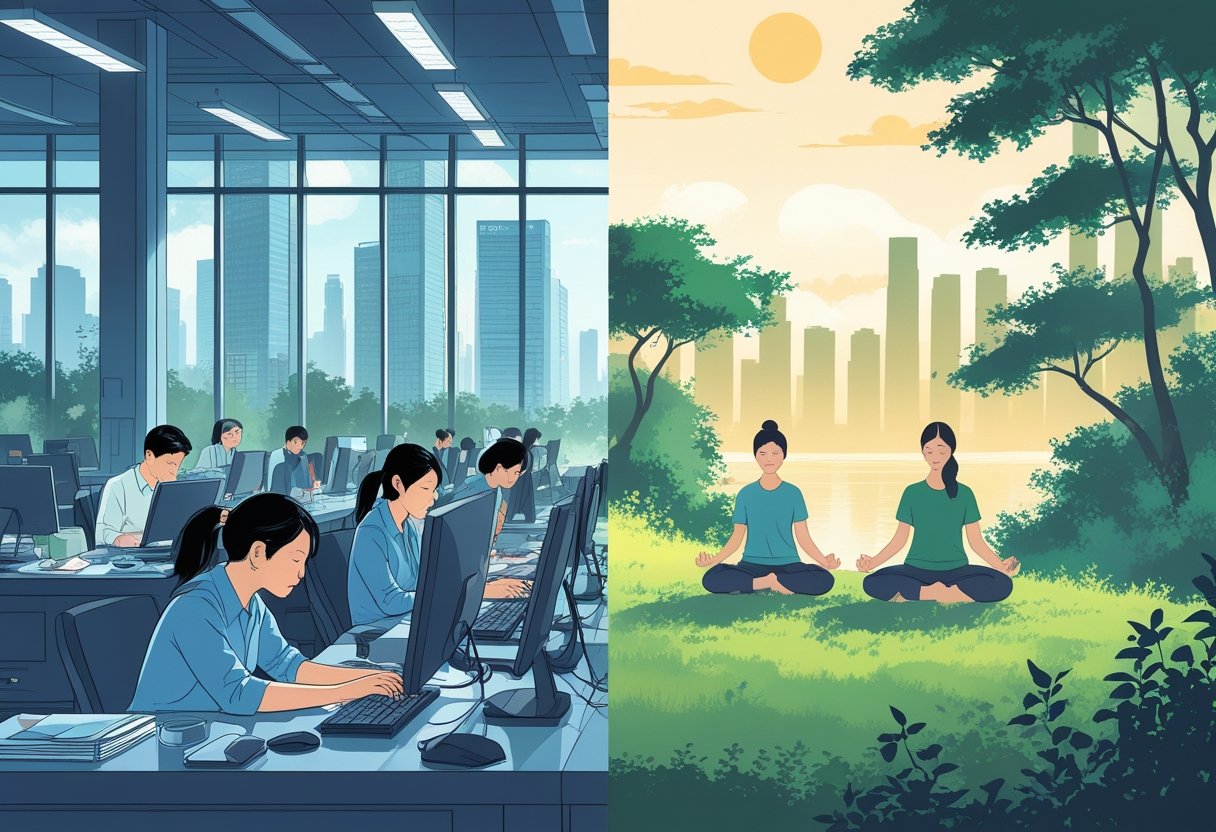
Chinese work culture is known for its high demands and long hours, often leading to significant stress among employees. This has sparked growing interest in slow living trends across Asia, where people seek balance and reduced pressure in daily life. Understanding how these trends intersect with mental health challenges in Chinese workplaces is crucial for addressing the root causes of stress.
Meanwhile, alternative lifestyles like digital nomadism are gaining attention as some workers look to escape traditional office environments while maintaining career flexibility. At the same time, the FIRE (Financial Independence, Retire Early) movement is slowly emerging in China, promoting financial freedom as a way to reduce work-related anxiety and burnout.
These shifts represent new approaches to managing stress and prioritizing mental well-being amid the evolving work culture in China. They offer insight into how individuals and society are adapting to growing demands and the search for healthier life choices.
Chinese Work Culture and Associated Stress
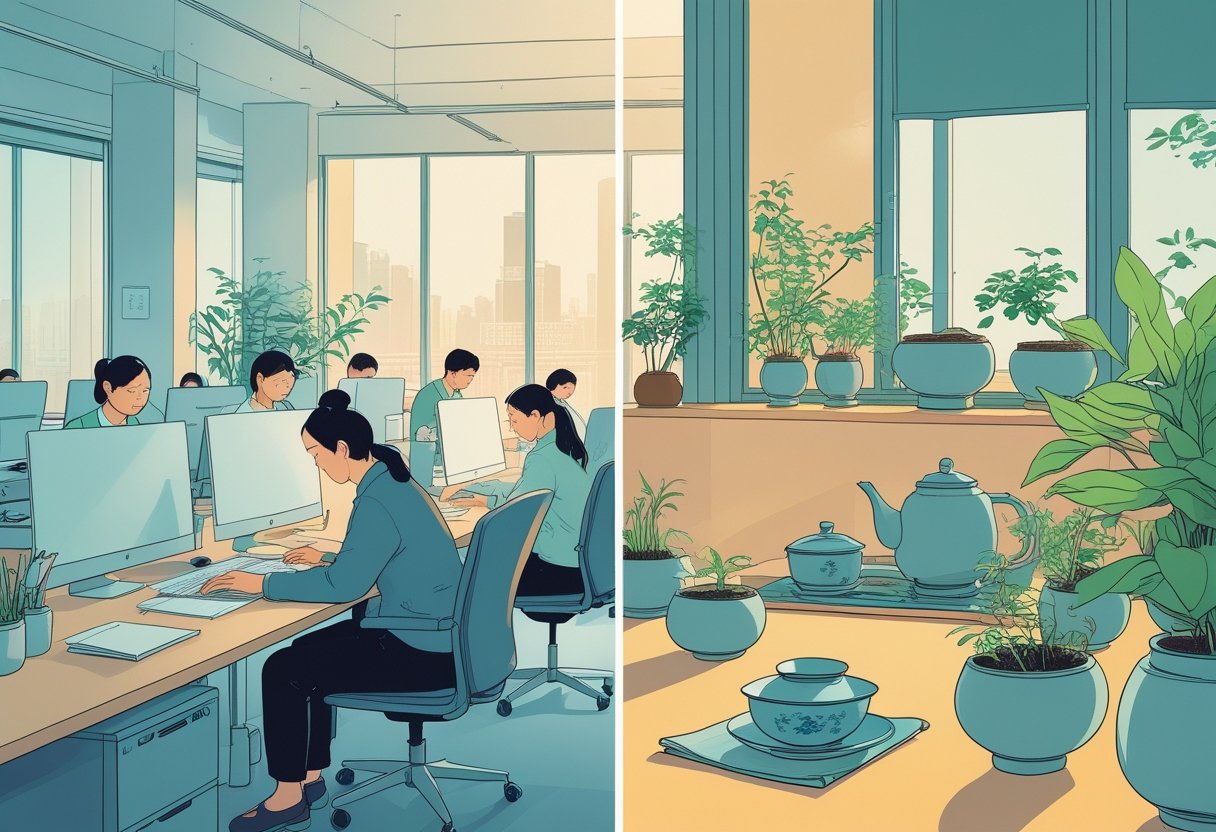
Workplace stress in China stems from long hours, intense competition, and societal pressures that affect employees at various levels. The demands of rapid economic growth and high expectations push many workers into stressful routines. These factors combine to shape the modern Chinese work environment.
Key Drivers of Workplace Stress in China
Economic growth drives fierce competition among workers. Employees often face pressure to outperform peers to advance in their careers. Job insecurity and rapid company changes also add uncertainty.
Social expectations about success influence stress levels. Many workers feel obligated to meet family and societal standards for income and status. The high cost of living in major cities, combined with limited support systems, intensifies financial worries.
Technological advances contribute to stress by blurring work-life boundaries. Constant connectivity creates an environment where workers often respond to tasks outside regular hours. This expectation to be available extends workdays significantly.
Impact of ‘996’ Work Schedules
The ‘996’ schedule — working from 9 a.m. to 9 p.m., six days a week — is common in tech and startup sectors. It results in a 72-hour workweek, far above the standard 40 hours.
This schedule leads to physical fatigue, mental exhaustion, and reduced time for family and rest. Employees report increased burnout and health problems due to the long hours.
While some see ‘996’ as necessary for success, it has sparked public debate and legal challenges. Companies enforcing this schedule face criticism for violating labor laws and neglecting worker well-being.
Cultural Expectations and Performance Pressure
Confucian values emphasize diligence, loyalty, and group harmony in the workplace. Employees often prioritize company goals over personal needs, leading to self-sacrifice.
Performance evaluations focus heavily on results and dedication, not just competence. This environment encourages endurance of stressful conditions to prove commitment.
“Face” (mianzi) — maintaining reputation and social standing — drives many to avoid showing weakness or complaining. This cultural norm can discourage seeking help for stress or mental health issues, masking widespread challenges.
Mental Health in Modern Chinese Workplaces
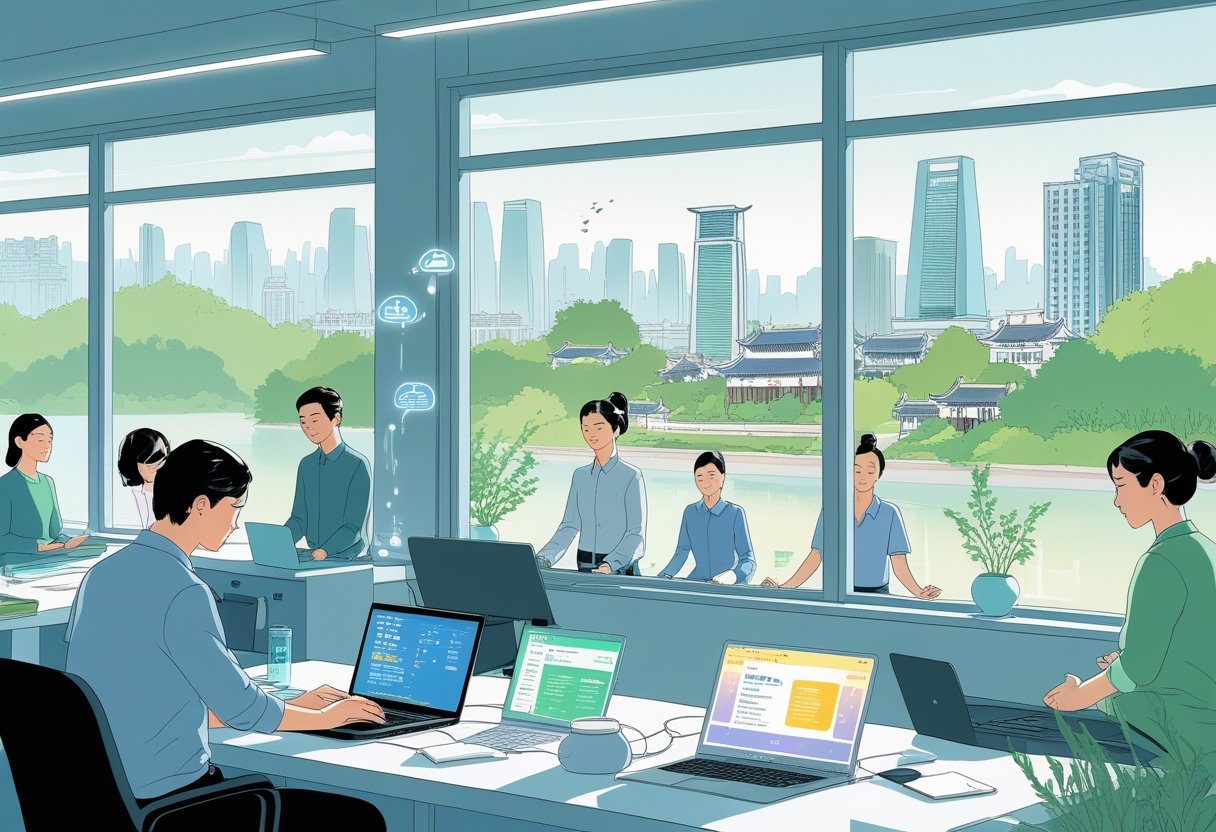
Mental health issues are increasingly recognized in Chinese workplaces, shaped by intense job demands and cultural stigma. Support systems vary widely, often reflecting the urban-rural divide and differing employer priorities.
Common Mental Health Challenges Among Employees
Chinese employees frequently face high levels of stress, driven by long working hours, performance pressure, and limited job security. Conditions like anxiety, depression, and burnout are common, especially in sectors like tech and finance.
Workplace culture often emphasizes endurance over emotional expression, leading many to suppress mental health concerns. This stigma hinders open discussions and delays seeking help.
Younger generations show more willingness to address mental health but still struggle against traditional expectations. The rise of remote work has added challenges such as isolation and blurred work-life boundaries.
Corporate Responses and Support Systems
Some Chinese companies have started introducing mental health programs, including employee assistance hotlines and onsite counseling. Large corporations often provide workshops on stress management and mindfulness.
However, implementation varies greatly. Many small and medium-sized enterprises lack resources or awareness to adequately support employees’ mental well-being.
Government initiatives promote workplace mental health awareness, yet enforcement is weak. Digital platforms offering confidential counseling services have gained popularity among urban workers seeking privacy.
Differences Between Urban and Rural Workplaces
Urban workplaces tend to offer better mental health resources due to greater access to professionals and stronger regulatory pressure. Employees report more openness toward discussing psychological issues in cities like Beijing and Shanghai.
In contrast, rural workplaces generally have fewer support services and higher stigma. Limited mental health education and cultural emphasis on resilience make it difficult for rural workers to receive appropriate care.
The disparity reflects broader socioeconomic gaps, with rural employees often balancing intense physical labor and poor healthcare access alongside mental health challenges.
Shifting Lifestyles: Slow Living Trends and Digital Nomads in Asia
Asia is witnessing lifestyle changes emphasizing balance and flexibility. These shifts include the slow living movement and the rise of digital nomads seeking alternatives to traditional work environments, especially in China.
Emergence of Slow Living Movements
Slow living in Asia prioritizes reduced work pace, mindfulness, and quality of life. In urban centers like Tokyo and Seoul, it has grown as a counter to high-stress work cultures. People adopt practices such as minimalism, local travel, and deliberate consumption to decrease burnout.
In China, slow living is gaining traction among middle-class urbanites frustrated by long hours. Communities promoting wellness, nature retreats, and traditional crafts support this trend. However, it remains niche due to prevailing work expectations.
Rise of Digital Nomad Alternatives in China
China’s strict visa and residency rules limit widespread digital nomadism. Despite this, some cities like Shenzhen and Guangzhou experiment with coworking spaces catering to freelancers and creatives. These hubs combine flexible work environments with cultural activities.
Foreigners and locals pursue remote work models, leveraging technology to work without fixed offices. The government promotes innovation zones, indirectly supporting flexible work styles. However, regulatory constraints and internet controls impose challenges on full nomadic lifestyles.
Comparative Adoption of Slow Living Across Asia
Slow living adoption varies widely across Asian countries. Japan and South Korea show more established movements linked to aging populations and economic pressures. Southeast Asian countries like Thailand and Indonesia appeal to digital nomads due to lower living costs and relaxed entry policies.
China’s rapid urbanization slows wide slow living uptake but motivates niche groups. Neighboring economies offer models blending economic growth with lifestyle balance, influencing regional trends. The pace of adoption often correlates with government policies and cultural acceptance.
FIRE Movement and Alternative Ways of Working in China
The FIRE (Financial Independence, Retire Early) movement has gained attention among China’s young professionals despite financial and cultural challenges. Meanwhile, alternative work styles like freelancing and digital nomadism are emerging as responses to conventional workplace pressures.
Adoption of the FIRE Movement Among Young Professionals
Young urban Chinese, particularly in cities like Shanghai and Beijing, show growing interest in FIRE principles. They focus on aggressive saving, investing in stocks or real estate, and reducing lifestyle expenses. Social media platforms like WeChat and Douyin offer communities sharing FIRE strategies and success stories.
However, this movement remains niche due to work culture norms valuing stability and long careers. Many fear social judgment for pursuing early retirement over traditional employment. Still, some view FIRE as a way to reclaim control over mental health and work-life balance.
Challenges to Financial Independence in China
High living costs in major cities, rising housing prices, and limited social welfare systems complicate financial independence. The pressure to support multi-generational families also restricts disposable income. Inflation and government regulations on stock and property markets add uncertainty for investments.
Job market volatility and competitive work environments mean saving aggressively is harder than in Western countries. Additionally, cultural expectations discourage quitting or reducing hours before a certain career age, limiting early retirement feasibility.
Case Studies of Alternative Workstyles
Several digital nomads in China choose remote roles to bypass office stress and rigid schedules. Some freelance IT or creative professionals relocate to lower-cost cities like Chengdu or Xi’an. These cities provide more affordable housing and a slower pace with expanding coworking spaces.
Others participate in startup incubators offering flexible arrangements. Platforms such as Xiaohongshu promote experiences of balancing income and lifestyle outside corporate norms. These examples highlight gradual shifts but also show limits imposed by regulations and traditional mindsets.